Biohazard Cleanup
Blood, sewage, sharps and other biohazards removed and disinfected by cleanup crews in protective gear.
Learn more →New Jersey · Middlesex County
Unsure whether a mess counts as a biohazard in Rutgers University-Busch Campus, NJ? Call (877) 812-4220 and ask. Blood, human waste, decomposition, sharps and sewage all get full protective gear and hospital-grade disinfection.
If anyone is in danger, call 911 first. For a suicide crisis, call or text 988.
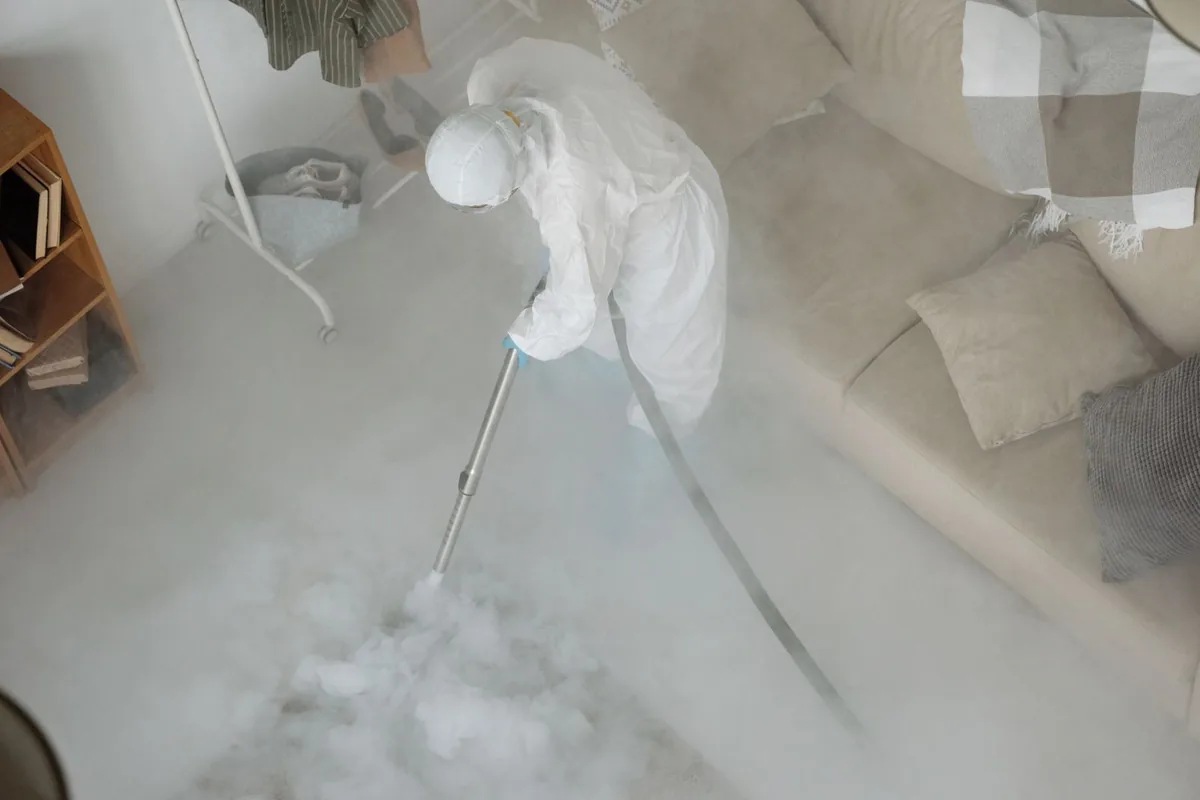
A biohazard cleaner deals with what regular cleaners will not touch: blood, decomposition, human waste and infectious materials. Rutgers University-Busch Campus homeowners, tenants, landlords and business owners can get discreet biohazard cleanup services by calling Rutgers University-Busch Campus Biohazard Cleanup Help.
Calls are answered day and night, and crews arrive in unmarked vehicles so the work stays private. The cleanup team seals off the area, removes what cannot be saved, disinfects what can and carries away the waste. Service covers Rutgers University-Busch Campus and nearby communities such as Rutgers University-Livingston Campus and East Franklin.
Vacancy in Middlesex County is lower than the New Jersey average, at 3%, so most cleanups happen in occupied homes where families want the work done privately and with care. Census data puts older adults living alone in Middlesex County at 24%. Regular check-ins from relatives and neighbors help, and cleanup support is a phone call away if the worst happens.
Safety comes first on every job. You get crews that follow OSHA bloodborne pathogen protocols, wear full protective equipment and seal off the contaminated space, since hepatitis B, hepatitis C and HIV are all risks around untreated blood.
Sealing, cleaning, disinfecting and ventilating work together. Plastic barriers and HEPA air scrubbers hold contaminants in place, EPA-registered disinfectants do the germ kill, and hydroxyl or ozone treatment clears the odor that is left.
Below are the cleanup services you can get in Rutgers University-Busch Campus, grouped by what happened: death and trauma, waste and hoarding, disease and drugs, and property cleanouts.
Blood, sewage, sharps and other biohazards removed and disinfected by cleanup crews in protective gear.
Learn more →Cleanup after violent crimes, break-ins and assaults, using protective gear and EPA-registered disinfectants.
Learn more →Trauma and crime scene cleanup for homes, workplaces and vehicles, handled privately with protective gear.
Learn more →Cleaning, disinfection and odor removal after a death that was not found right away.
Learn more →Respectful biohazard cleanup that removes affected materials and treats odor so families do not have to.
Learn more →Compassionate cleanup after a death by violence, so families do not face the aftermath alone.
Learn more →Blood spill clean up for homes, rentals and workplaces, with soaked materials removed and surfaces sanitized.
Learn more →Bodily fluid clean up with protective gear, EPA-registered disinfectants and sealed disposal of contaminated materials.
Learn more →Commercial feces cleanup and urine odor control for restrooms, shops, schools and care sites.
Learn more →Finds the source of a death odor and removes it, instead of masking it with sprays.
Learn more →Respectful hoarder cleaning that clears exits, sorts belongings with you and cleans every room.
Learn more →Hoarding removal with protective gear, safe lifting and correct disposal of waste.
Learn more →Ammonia odor, urine and feces cleaned from floors, walls and air after animals are removed.
Learn more →Hoarding and filth cleaning that restores a home for living, repairs or a new tenant.
Learn more →Sewage restoration that clears contamination and odor so repairs can safely begin.
Learn more →Emergency disinfection after contagious illness, with soft items treated or removed and the space checked.
Learn more →Cleaning first, disinfecting second: a careful process that targets the germs, not only the stain.
Learn more →Medical waste left behind after illness, a move or a cleanup, removed with protective gear.
Learn more →Sharps cleanup with protective gear, puncture-resistant containers and proper medical waste disposal.
Learn more →Discreet drug residue cleanup for rentals, homes, hotels and businesses, with protective gear throughout.
Learn more →Meth lab cleanup: residue testing, removal of contaminated materials and decontamination of the property.
Learn more →Fentanyl decontamination: powder and residue contained, collected and cleaned from homes, vehicles and workplaces.
Learn more →Safe removal of solvents, fuels, pesticides, mercury and unlabeled containers from homes and businesses.
Learn more →Cleanup that begins once responders clear the scene, with records for insurers, owners and inspectors.
Learn more →Pepper spray cleanup that lifts oily residue from surfaces without spreading it to clean rooms.
Learn more →Hantavirus-aware cleanup for cabins, sheds, barns and homes with HEPA-filtered equipment and disinfection.
Learn more →Containment, wet removal and disinfection of bat and bird guano in attics, barns and rooftops.
Learn more →Carcass cleanup of fluids and soaked insulation, carpet and drywall that cannot be saved.
Learn more →Vehicle biohazard cleanup for cars, trucks, vans and buses, with soaked upholstery removed and odor treated.
Learn more →Injury scene cleaners remove soaked materials, treat odor and prepare records for employers and insurers.
Learn more →Workplace biohazard cleanup that contains the area, removes contamination and documents the work for insurers.
Learn more →House cleanout and hauling for estates, landlords and out-of-town families after a loss.
Learn more →A cleanup specialist asks what happened, who is safe and whether police or an investigator have released the scene. The answers decide how the job is planned.
Plastic sheeting, floor protection and air filtration go up before anything is moved. Protective gear goes on before the crew goes in.
Contaminated materials come out, surfaces are cleaned and disinfected, and the waste is packed for lawful disposal.
Odor is neutralized, biohazardous waste leaves under medical waste rules, and a final inspection confirms the property is safe to use again.
Hoarded homes, neglected rentals and difficult situations are treated with dignity. The only goal is a safe, clean space again.
Cleanup technicians know families may be grieving. They keep conversations short, kind and free of judgment, and they treat belongings with care.
Cleanup covers houses, apartments, rentals, offices, churches, shops and cars or trucks, with plans that fit each type of property.
Local help in Rutgers University-Busch Campus, New Brunswick and nearby towns means crews know the area, local police and the way homes in the region are built.
Biohazard cleanup in Rutgers University-Busch Campus, NJ typically costs $500 to $25,000, depending on the type of biohazard, the size of the affected area and how far fluids soaked into porous materials.
Most residential jobs cost $3,000 to $5,000 (Fixr). Extra services such as odor treatment, content cleaning, hauling out damaged furniture and testing add to the total. Ask which of them the job really needs so the quote matches the situation.
| Type of job | Typical range |
|---|---|
| Blood spill cleanup, small area | $500 - $2,500 |
| Crime scene cleanup, most homes | $1,500 - $7,500 |
| Unattended death cleanup | $2,000 - $7,000 |
| Suicide cleanup | $1,500 - $5,500 |
| Sewage cleanup, most homes | $2,000 - $10,000 |
| Hoarding cleanup, level 3 home | $2,000 - $5,000 |
| Meth lab cleanup, typical | $15,000 - $20,000 |
Estimates only, not a quote. Sources: Fixr, Yelp Costs, BioCleaners Directory, PushLeads, Dropcurb, Bob Vila and cleanup company cost guides. Call (877) 812-4220 to talk through the job.
Try the Rutgers University-Busch Campus Biohazard Cleanup Cost Calculator →
With renters in about 100% of homes in Rutgers University-Busch Campus, landlords and property managers often call about tenant deaths, abandoned units and unsafe conditions that need biohazard cleaning.
Cars, trucks and work vehicles can carry biohazards after an accident, assault or medical event. Vehicle cleanup removes contaminated upholstery and disinfects every surface and vent.
About 57% of homes in Middlesex County were built before 1980, and older carpet, subfloor and trim hold fluids deeper, which can mean more material to remove.
An average July high of 86 degrees in Rutgers University-Busch Campus speeds up decomposition after a death. The sooner the scene is released and cleaned, the less the odor and fluids spread.
Homes, churches and businesses may need infectious disease disinfection, needle and sharps cleanup, or meth lab and fentanyl decontamination after a property is released.
Hoarder homes can hide rotting food, animal waste, mold and pests, along with fire and structural hazards. Hoarding cleanup sorts belongings and restores a livable condition.
Knowing the basic types and job sizes makes the first phone call easier. Describe what happened and where, and a cleanup specialist can tell you which category the job likely falls into.
Yes. You can expect unmarked vehicles, quiet work and no discussion of the job with neighbors. Family members are not asked to see or handle anything.
Call 911 if anyone is in danger. Keep everyone out of the affected area, do not clean anything, and wait for law enforcement to release the scene. Then call your insurance company and a biohazard cleaning company to plan the cleanup.
Yes. Hoarding cleanup sorts belongings room by room, sets aside valuables and papers, removes trash and waste, and disinfects the space. Crews work without judgment and keep the family's wishes in mind.
Symptoms such as stomach pain, vomiting and diarrhea can begin within a few hours to a few days after contact with raw sewage, depending on the germ. Sewage is a Category 3 biohazard, so it should be cleaned by a crew wearing protective gear, and anyone with symptoms should see a doctor.
Most biohazard clean up jobs take one to three days. A small blood spill can be finished in a few hours, while an unattended death with decomposition, a hoarder house or a meth lab can take a week or longer.
It means discreet removal of blood, bodily fluids and affected materials, followed by full disinfection and odor treatment, so the family never has to face the scene. If you or someone you know is thinking about suicide, call or text 988 to reach the 988 Suicide and Crisis Lifeline.
The nearest emergency room is Robert Wood Johnson University Hospital in New Brunswick, about 3 miles from Rutgers University-Busch Campus. In any emergency, call 911 first. Cleanup waits until people are safe.
Tell the landlord and the renters insurer right away. With renters in about 100% of homes in Rutgers University-Busch Campus, many rentals have a process for this. The building is usually the owner's job, and belongings may fall under the tenant's policy.
New Brunswick is the Middlesex County seat, and you can get help there along with Rutgers University-Busch Campus, Rutgers University-Livingston Campus and East Franklin. Call Rutgers University-Busch Campus Biohazard Cleanup Help at (877) 812-4220 to ask about a property in any of these towns.
Describe what happened, and the cleanup team will explain the next steps.
Call (877) 812-4220