1. Listen and prepare
The crew leader asks about the site, the people nearby and any concerns about privacy. Gear and containers are packed to match what the owner describes.
Rutgers University-Busch Campus, NJ · Middlesex County
Found unlabeled jugs, drums or old products in Rutgers University-Busch Campus? Do not open or move them. Call (877) 812-4220. Crews sort the containers, remove hazardous waste and clean the surfaces they touched.
If anyone is in danger, call 911 first. For a suicide crisis, call or text 988.
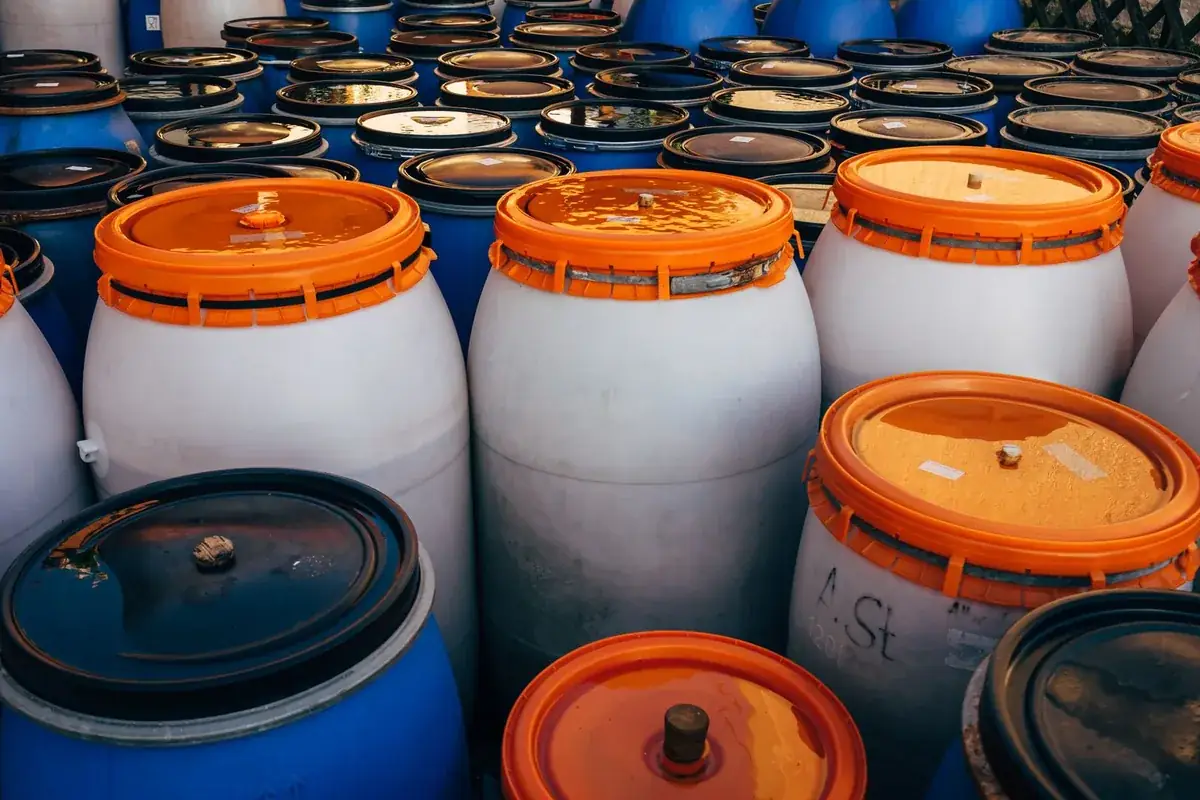
Hazardous waste removal is the process of collecting, sorting, labeling and transporting dangerous materials by the rules that apply to them. It protects people, pets, soil and water from exposure.
Why choose Rutgers University-Busch Campus Biohazard Cleanup Help for chemical and toxic waste cleanup in Rutgers University-Busch Campus and the rest of Middlesex County? You get crews who follow OSHA safety rules for hazardous substances and work from the maker's safety data sheets.
Wet weather in Rutgers University-Busch Campus, about 50 inches of precipitation a year, speeds the rusting of old drums and the spread of leaked product. Fewer homes in Middlesex County sit empty, so chemical calls tend to come from occupied properties with leaking garage or shed containers.
The work often covers:
The crew leader asks about the site, the people nearby and any concerns about privacy. Gear and containers are packed to match what the owner describes.
The crew looks at how far the spill spread and what it touched. It notes drains, soil, porous materials and anything that needs to be kept away from the area.
Barriers and absorbent materials stop the spill from spreading. The substance, damaged containers and soaked items are collected in suitable sealed containers.
The team packs the waste and takes it away. A final check of the area ends with a plain summary for the owner.
The cost of chemical & toxic waste cleanup in Rutgers University-Busch Campus, NJ depends on the amount of material, how it is packed and how it is hauled.
Protective gear is part of the total. Higher-hazard substances call for more serious equipment, and disposable suits, respirators and tools are used up during the job.
| Type of job | Typical range |
|---|---|
| Hazardous chemicals | $30 - $50 per barrel |
Estimates only, not a quote. Sources: Fixr. Price drivers include type of chemical, amount, packaging and transport, disposal fees. Call (877) 812-4220 to talk through the job.
Try the Rutgers University-Busch Campus Biohazard Cleanup Cost Calculator →
It is the safe containment, removal and disposal of spilled, leaking or abandoned chemicals. Crews identify the substance and wear suitable protective gear. They contain the spill, clean the area and send waste to a facility that can accept it.
Common ones are paints, solvents, fuels, pesticides, pool chemicals, cleaning products, batteries and mercury. Crews also remove unlabeled containers once the contents are identified. Ask the team what it can handle for your site.
Usually yes. Crews arrive in unmarked vehicles, work quietly and keep the job private. Tell the team at the start if discretion matters, and it will plan around that.
Some products release toxic gas when combined. Bleach and ammonia are a well-known example. Never mix products to clean a spill, and leave the area if you smell fumes.
Reporting rules depend on the substance, the amount and where it spilled. The local fire department, the health department or an attorney can say what applies. A cleanup team can explain the work and the records it can provide.
Waste is sorted, labeled, packed and hauled by the rules that apply to its type. It does not go in the regular trash or down a drain. Ask the cleanup team how its waste is hauled and disposed of, and ask for records at the end.
See all biohazard cleanup services in Rutgers University-Busch Campus, NJ →
Ask how waste is hauled and disposed of before anyone starts work.
Call (877) 812-4220